What if every failure you encountered was actually a stepping stone to your next breakthrough?
In the fast-paced world of technology, where innovation is the key to staying ahead, failure isn’t just an occasional setback—it’s an integral part of the journey. For senior IT leaders, understanding the role of failure is crucial to fostering a culture of continuous improvement and driving transformative success. Every new feature, every innovative product brings both risk and reward. And it’s in this delicate balance that the real potential for growth lies.
Failure isn’t the enemy—it’s an opportunity. When handled strategically, failure becomes one of your organization’s greatest tools for learning and growth.
Embracing failure as a learning mechanism allows you to extract insights not only from your own experiences but also from those of other companies. Learning from self-failures sharpens your strategies and processes, while studying the failures of others can prevent you from repeating costly mistakes. This approach accelerates growth, drives innovation, and strengthens the foundation upon which future successes are built.
When your teams feel empowered to take risks without the fear of failure, they’ll push boundaries, explore unconventional solutions, and embrace creativity. This safe space for experimentation is what separates innovative organizations from stagnant ones. Moreover, it helps attract top talent—people who thrive on challenges and seek to make meaningful contributions.
The key to strategically handling failure is transparency and reflection. Openly discussing failures and their lessons promotes collective learning and organizational resilience. Teams that can pivot swiftly after a setback, armed with knowledge and clarity, are the ones that continue to innovate and adapt in today’s dynamic tech landscape.
Are you prepared to turn failure into your most valuable asset? In the following section, I’ll dive into some case studies of product failures, examining both the reasons behind these failures and the valuable lessons that leaders can apply to reduce risks in their own product development processes. With this knowledge, you’ll be better equipped to avoid similar pitfalls and leverage failure as a powerful tool for driving long-term innovation.
Case Studies of Major Product Failures
Theranos (Health Diagnostics)
What if a single drop of blood could perform hundreds of diagnostic tests? That was the ambitious vision of Theranos, a healthcare startup founded in 2003. The company introduced Edison, a proprietary device touted to revolutionize blood testing by making it faster, cheaper, and less invasive. This innovation aimed to make essential health information more accessible, especially for those with limited access to traditional healthcare services.
Backed by prominent investors and led by visionary founder Elizabeth Holmes, Theranos positioned itself as a trailblazer in healthcare innovation. The goal was to transform diagnostic processes across hospitals, pharmacies, and even homes. However, the lofty promises and significant media attention masked critical shortcomings, ultimately leading Theranos to become one of Silicon Valley’s most infamous failures.

Failure Reasons:
- Technical Failures: The technology simply didn’t work as advertised. Extensive trials revealed inaccurate results, posing risks to patients. The Edison device was unable to perform the wide range of tests Theranos claimed, leading to unreliable diagnostics.
- Ethical Violations: Theranos and its founder, Elizabeth Holmes, misled investors and the public about the capabilities of their technology. This deception led to regulatory scrutiny, loss of investor trust, and criminal charges against the company’s leadership.
- Lack of Transparency: The company operated under a veil of secrecy, avoiding peer reviews and independent validation. This lack of openness prevented early detection of flaws and hindered collaborative problem-solving.
- Regulatory Compliance Issues: Theranos failed to adhere to necessary regulatory standards and oversight, which is critical in the highly regulated healthcare sector. This oversight led to sanctions and further eroded trust.
- Poor Leadership and Governance: The leadership structure lacked experienced professionals in key areas, resulting in poor decision-making and ineffective management practices.
Valuable Lessons:
- Transparency and Rigorous Testing: Transparency and rigorous testing are non-negotiable in health technology, where patient safety is paramount. Openly sharing data and undergoing independent validation can prevent catastrophic failures.
- Integrity in Leadership: Leadership must foster a culture of integrity, avoiding the temptation to overpromise to stakeholders. Ethical behavior and honesty are essential for long-term success and trust.
- Regulatory Adherence: Regular validation from independent sources and strict adherence to regulatory standards are critical to ensure product reliability and safety, especially in the highly regulated healthcare sector.
- Robust Governance Structures: Implement strong governance structures with experienced professionals to guide strategic decisions and maintain operational integrity.
- Effective Communication: Clear and honest communication with investors, regulators, and the public helps build and maintain trust, ensuring that stakeholders are accurately informed about the product’s capabilities and limitations.
Source: Integrity Line
Microsoft Zune (Consumer Electronics)
Launched in November 2006, Microsoft Zune was the company’s entry into the portable media player market, directly competing with Apple’s iPod. The Zune offered wireless sharing, a large display, and integration with Microsoft’s digital media services. Microsoft aimed to capture a significant portion of the booming digital music market by providing a seamless experience for purchasing, organizing, and enjoying media on the move.
Despite Microsoft’s dominance in software and PCs, the Zune struggled to attract a broad user base and failed to challenge the iPod’s market leadership. Eventually, Microsoft discontinued the Zune in 2011 due to its inability to gain widespread adoption.

Failure Reasons:
- Late Market Entry: By the time Zune was launched, the iPod had already dominated the portable media player market, making it difficult for Zune to attract users away from the established leader.
- Lack of Differentiation: Zune failed to offer compelling features that significantly differentiated it from the iPod, leading to little incentive for consumers to switch.
- Software and Ecosystem Shortcomings: The Zune software was less intuitive and feature-rich compared to Apple's iTunes, limiting its appeal and ease of use for managing media libraries.
- Limited Marketing and Brand Recognition: Microsoft's marketing efforts for Zune were insufficient to build strong brand recognition and consumer interest in a market already loyal to Apple.
- Hardware Limitations: Early versions of the Zune had hardware issues, such as limited battery life and bulky design, which detracted from the user experience.
- Content and Service Integration: Zune's digital media services lacked the extensive content library and seamless integration that iTunes offered, making it less attractive for media consumption.
Valuable Lessons:
- Timely Market Entry: Enter the market at the right time, ensuring that your product can compete effectively against established players.
- Strong Differentiation: Offer unique features and benefits that clearly set your product apart from competitors to attract and retain users.
- Robust Ecosystem Development: Invest in developing a comprehensive and user-friendly ecosystem, including software and services, to enhance the overall user experience.
- Effective Marketing Strategies: Allocate sufficient resources to marketing and brand-building efforts to establish a strong presence in the market.
- Quality Hardware Design: Prioritize hardware quality, battery life, and ergonomic design to meet user expectations and ensure a positive experience.
- Content and Service Integration: Ensure that your digital services are comprehensive and seamlessly integrated to provide added value to users and encourage platform loyalty.
Source: InspireIP
Google+ (Social Media)
Google+ was Google's ambitious venture into the social networking space, launched in June 2011. The platform aimed to rival Facebook and Twitter by seamlessly integrating with Google’s suite of services like Gmail, YouTube, and Google Drive.
Featuring unique tools such as Circles for organizing contacts, Hangouts for video chats, and Sparks for content discovery, Google+ sought to create a comprehensive social ecosystem. Despite substantial resources and deep integration with existing Google services, Google+ struggled to attract and retain users in the highly competitive and saturated social media market.

Failure Reasons:
- Weak User Engagement: Google+ struggled to attract and retain a critical mass of active users. Many users found the platform redundant, especially those already active on other social networks like Facebook and Twitter. The lack of a distinct identity and compelling reasons to switch led to low daily engagement rates.
- Privacy Issues: Google+ faced several privacy concerns, including vulnerabilities that exposed user data. These security flaws undermined user trust and led to stricter scrutiny from regulators and the public, further deterring potential users from adopting the platform.
- Overcomplicated Features: While Google+ introduced innovative features, many of them were seen as overly complex and confusing for the average user. Features like Circles and Sparks did not resonate well, leading to a steep learning curve and diminishing user experience compared to more straightforward social media platforms.
- Late Market Entry and Saturation: Entering a market dominated by established players like Facebook, Twitter, and LinkedIn made it difficult for Google+ to carve out a unique space. The timing was also unfavorable, as the social media landscape was already mature, leaving little room for a new entrant to make a significant impact.
- Integration Challenges: Although Google+ was designed to integrate with other Google services, this integration often felt forced and did not add substantial value to users. Instead of enhancing the user experience, it sometimes created unnecessary clutter and complexity within Google's ecosystem.
- Lack of Clear Monetization Strategy: Google+ did not develop a robust monetization strategy that could sustain its growth and development. Without clear revenue streams, the platform struggled to justify continued investment, leading to its eventual shutdown.
- Internal Resource Allocation: Google prioritized other projects and services over Google+, leading to insufficient resources dedicated to its development and improvement. This lack of focus hindered the platform's ability to evolve and respond to user needs effectively.
- Negative Public Perception and Branding Issues: The branding and marketing efforts for Google+ failed to create a strong, positive perception among users. Mixed messaging and a lack of clear differentiation from other platforms contributed to its lukewarm reception.
Valuable Lessons:
- Focus on Unique Value Proposition: Clearly define and communicate what sets your product apart from competitors. Ensure that the platform offers unique features or experiences that provide compelling reasons for users to adopt and stay engaged.
- Simplify User Experience: Design intuitive and user-friendly interfaces. Avoid overcomplicating features and ensure that new functionalities enhance rather than hinder the user experience.
- Prioritize Privacy and Security: Implement robust security measures and prioritize user privacy to build and maintain trust. Address vulnerabilities promptly and communicate transparently about privacy practices.
- Strategic Market Positioning: Enter the market with a well-thought-out strategy that considers existing competition and market saturation. Identify and target niche segments where the product can offer significant value.
- Effective Integration: Ensure that integrations with other services genuinely enhance the user experience. Avoid forced or superficial integrations that do not add meaningful value to users.
- Develop a Clear Monetization Strategy: Establish sustainable revenue models that support ongoing development and growth. Explore diverse monetization avenues such as advertising, premium features, or partnerships.
- Allocate Resources Wisely: Ensure that key projects receive adequate attention and resources. Maintain a balanced portfolio of initiatives to support sustained growth and innovation.
- Build Strong Branding and Marketing: Invest in branding and marketing efforts that clearly communicate the platform's benefits and differentiate it from competitors. Create a positive and consistent brand image that resonates with the target audience.
- Engage With User Feedback: Actively seek and incorporate user feedback to refine and improve the platform. Foster a community-driven approach to ensure that the product evolves in line with user needs and preferences.
Source: Wiley Online Library
Quibi (Media & Entertainment)
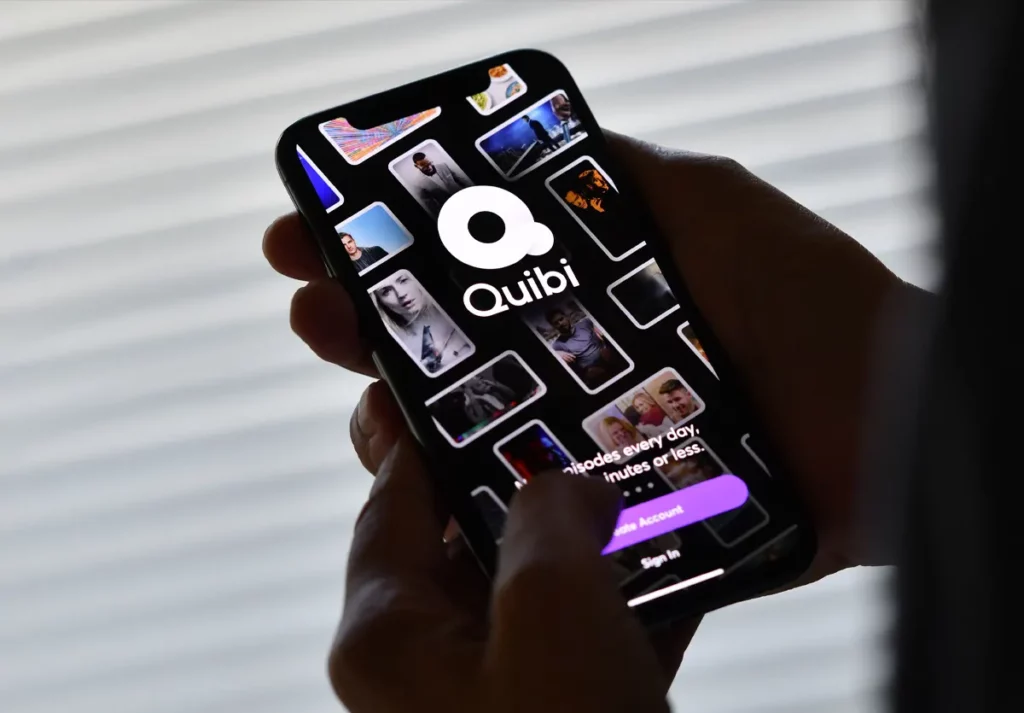
Quibi was launched in April 2020 by industry veterans Jeffrey Katzenberg and Meg Whitman. The service aimed to transform mobile entertainment by offering high-quality, episodic content tailored for smartphone viewing. Quibi’s "quick bites" were typically 10 minutes or less, designed for on-the-go consumption.
Backed by significant venture capital and partnerships with major studios and creators, Quibi positioned itself as an innovative solution for the changing habits of digital viewers. However, despite its forward-thinking approach and substantial investment, Quibi failed to attract a large audience and shut down just six months after its launch.
Failure Reasons:
- Misaligned Market Timing: Quibi launched during the COVID-19 pandemic when the demand for on-the-go mobile content plummeted as people stayed home, reducing the need for portable entertainment.
- Lack of Unique Value Proposition: The platform failed to offer a compelling reason for users to switch from established streaming services like Netflix and YouTube, which provided longer-form content and greater flexibility.
- Content Strategy Flaws: Quibi's focus on short-form content limited audience engagement and failed to resonate with viewers seeking more substantial and binge-worthy programming.
- Platform Exclusivity: Quibi was exclusively available on mobile devices, restricting access for users who preferred watching on larger screens like tablets and TVs.
- Marketing and Branding Issues: Despite heavy marketing efforts, Quibi struggled to clearly communicate its unique benefits and differentiate itself in a saturated market.
- Subscription Model Challenges: The subscription fee was perceived as too high for the value offered, especially when free alternatives were readily available.
Valuable Lessons:
- Understand Market Needs and Timing: Conduct thorough market analysis to ensure product launches align with current consumer behaviors and demands.
- Differentiate Clearly: Develop a unique value proposition that clearly distinguishes your product from existing competitors and addresses specific user needs.
- Flexible Content Strategies: Offer diverse content formats and lengths to cater to varying user preferences and enhance engagement.
- Platform Accessibility: Ensure your product is accessible across multiple devices and platforms to maximize user reach and convenience.
- Effective Communication: Clearly articulate the unique benefits and value your product provides to effectively attract and retain users.
- Competitive Pricing: Align pricing strategies with the perceived value and consider offering flexible payment options to appeal to a broader audience.
Source: Consultrategy
Windows Vista (Software)
Microsoft introduced Windows Vista in January 2007, promising a more secure and visually appealing operating system. Vista featured the Aero graphical user interface, enhanced search capabilities, and improved security measures like User Account Control (UAC) to protect against malware and unauthorized changes.
Aimed at both consumers and enterprises, Vista was designed to provide a robust computing experience. However, the operating system faced significant performance and compatibility issues. Resource-intensive and plagued with compatibility problems, Vista struggled to gain acceptance, leading many users to stick with the reliable Windows XP until Vista was eventually phased out.

Failure Reasons:
- Performance Issues: Vista was resource-intensive, leading to slower performance on existing hardware. Many users experienced long boot times and sluggish system responses.
- Compatibility Problems: A considerable number of existing applications and hardware peripherals were not compatible with Vista, causing frustration among users and businesses.
- User Account Control (UAC): While intended to enhance security, UAC was perceived as intrusive and annoying, leading to negative user experiences.
- Delayed Release and High Expectations: Prolonged development cycles and high expectations resulted in disappointment when the final product did not meet user needs or Microsoft's promises.
Valuable Lessons:
- Thorough Testing and Optimization: Ensure the operating system performs well across a wide range of hardware configurations before launch.
- Compatibility Assurance: Collaborate closely with third-party developers and hardware manufacturers to maintain compatibility and support.
- User Experience Focus: Balance security enhancements with user convenience to avoid alienating the user base.
- Manage Expectations: Communicate realistic timelines and capabilities to prevent setting unattainable expectations.
Source: Wikipedia
Juicero Press (Consumer Electronics)
Is a high-tech juicer worth $400? Juicero Press launched in 2016 as a premium, Wi-Fi-enabled juicing machine designed to work exclusively with proprietary pre-packaged juice packs. Marketed as a revolutionary kitchen appliance, the Press promised to deliver fresh, cold-pressed juice at the touch of a button, ensuring consistency and quality through smart technology.
Backed by substantial venture capital and boasting a sleek design, Juicero targeted health-conscious consumers seeking convenience and innovation. However, the high price point and unnecessary complexity led consumers to question the need for such an expensive gadget. Ultimately, Juicero failed to gain market traction and shut down, serving as a cautionary tale for over-engineered solutions.

Failure Reasons:
- High Cost: The Juicero Press was priced at around $400, making it inaccessible to a broad consumer base.
- Complexity: The device was overly complicated for a task that could be performed manually with simpler and cheaper methods.
- Lack of Value Proposition: Consumers questioned the need for a connected device when the juice packs could be squeezed by hand without the machine.
- Limited Market Appeal: The niche target market and dependency on proprietary juice packs restricted widespread adoption.
Valuable Lessons:
- Cost-Benefit Analysis: Ensure that the product’s price aligns with the perceived value and benefits it offers to consumers.
- Simplicity Over Complexity: Avoid over-engineering solutions when simpler alternatives can meet the same needs effectively.
- Clear Value Proposition: Clearly communicate the unique benefits and necessity of the product to justify its existence and cost.
- Market Validation: Conduct thorough market research to confirm demand and willingness to adopt innovative products.
Note: Juicero remains a cautionary tale for all product designers. Successful innovation is not about creating solutions in search of a problem. Seek “simple” solutions for even “complex” problems.
Source: Veredict
Apple Magic Mouse 2 (Consumer Electronics)
In 2015, Apple introduced the Magic Mouse 2, an upgraded version of its original Magic Mouse. Featuring a sleek, minimalist design, the Magic Mouse 2 included a rechargeable battery, improved wireless connectivity, and a multi-touch surface for gestures like scrolling and swiping. Apple aimed to enhance user productivity and offer a seamless experience across its ecosystem of devices.
Despite its innovative features and strong brand reputation, the Magic Mouse 2 received mixed reviews. Users reported ergonomic issues and found the high price point and limited functionality less appealing compared to traditional mice. These challenges hindered its success in the competitive peripheral market.

Failure Reasons:
- Ergonomic Issues: Many users found the Magic Mouse 2 uncomfortable to use for extended periods, leading to dissatisfaction and complaints about hand strain.
- Limited Functionality: While the multi-touch surface offered some gesture capabilities, it lacked advanced customization options and did not significantly improve productivity compared to traditional mice.
- High Price Point: The Magic Mouse 2 was priced higher than many competitive alternatives, making it less attractive to cost-conscious consumers.
- Battery and Charging Concerns: The rechargeable battery design, while eco-friendly, was criticized for its placement and the inconvenience of needing to charge the mouse regularly.
Valuable Lessons:
- User-Centric Design: Prioritize ergonomics and user comfort to ensure the product meets the practical needs of its target audience.
- Functional Enhancements: Offer meaningful improvements that enhance user productivity and justify any additional costs.
- Competitive Pricing: Price products competitively to balance between premium features and accessibility to a wider market.
- Practical Innovation: Ensure that new features provide tangible benefits and do not introduce unnecessary complexities or inconveniences for users.
Source: Digitaltrends
Sony Betamax (Consumer Electronics)
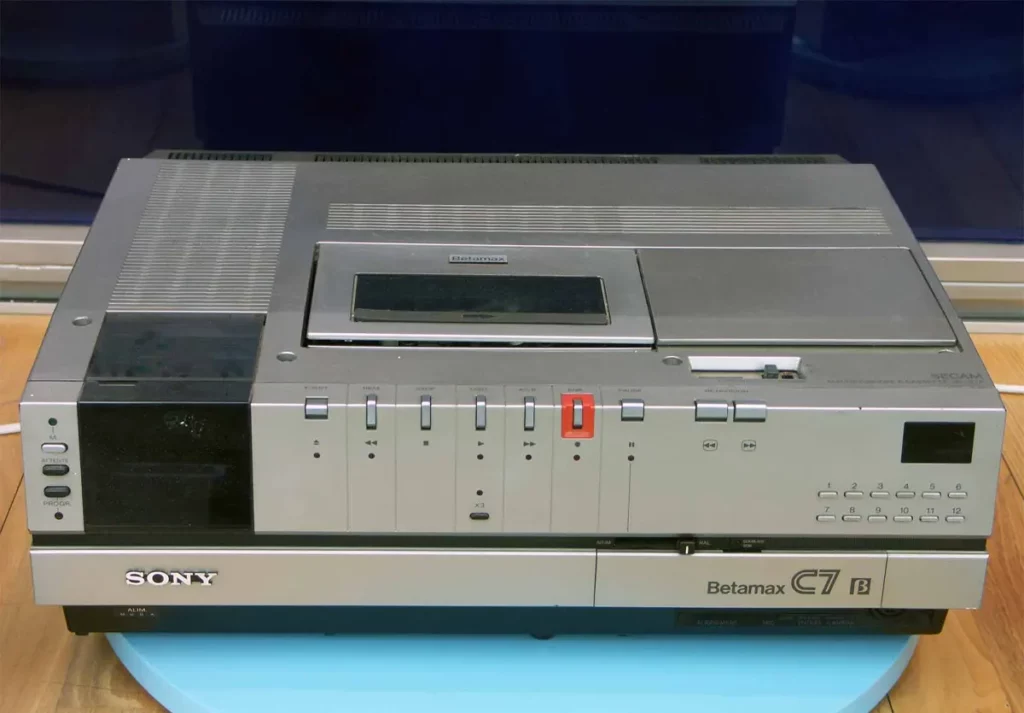
Introduced in 1975, Sony Betamax was a pioneering video cassette recording (VCR) format. Designed to deliver superior video quality, Betamax featured compact cassette sizes and advanced recording technology for its time. Sony aimed to set Betamax as the standard for home video recording, targeting both consumer and professional markets with its reliable performance and ease of use.
Despite its technical strengths, Betamax ultimately lost the format war to VHS, becoming one of the most notable product failures in consumer electronics history.
Failure Reasons:
- Format Lock-In and Licensing: Sony maintained strict control over Betamax licensing, limiting the number of manufacturers producing Betamax-compatible devices. In contrast, VHS was more open, allowing multiple manufacturers to produce VHS players and tapes, leading to wider adoption.
- Recording Time Limitations: Betamax initially offered shorter recording times (up to one hour) compared to VHS, which provided two hours of recording. This made VHS more appealing for consumers who wanted to record longer programs like movies and sports events.
- Marketing and Consumer Perception: Sony focused on superior video quality, but consumers prioritized longer recording times and greater availability of content. VHS's aggressive marketing and partnerships with major studios also overshadowed Betamax.
- Price and Availability: Betamax players and tapes were generally more expensive and less widely available than VHS alternatives, limiting its accessibility to a broader audience.
- Strategic Missteps: Sony's reluctance to adapt Betamax to consumer needs and extend recording times hindered its competitiveness against the more flexible VHS format.
Valuable Lessons:
- Flexibility in Licensing: Allowing multiple manufacturers to produce compatible devices can accelerate market adoption and establish a format as the industry standard.
- Understand Consumer Priorities: Prioritize features that matter most to consumers, such as recording length and ease of use, even if it means compromising on technical superiority.
- Aggressive Marketing and Partnerships: Building strong relationships with content providers and investing in marketing can significantly influence consumer preferences and market success.
- Competitive Pricing and Accessibility: Ensure that products are priced competitively and widely available to maximize market penetration and user base.
- Adaptability: Be willing to adapt and evolve product features based on market feedback and changing consumer needs to stay competitive.
Source: MTE (pdf)
Samsung Galaxy Note 7 (Consumer Electronics)
What happens when innovation meets unforeseen flaws? Samsung launched the Galaxy Note 7 in August 2016 as part of its flagship smartphone lineup. Marketed as a premium device, the Note 7 featured a large Super AMOLED display, advanced processors, enhanced camera systems, and the innovative S-Pen functionality tailored for power users and business professionals.
Samsung positioned the Note 7 as a symbol of its technological prowess and commitment to innovation in the competitive smartphone market. However, shortly after its release, battery defects caused devices to overheat and, in some cases, catch fire. This led to a massive global recall and the eventual discontinuation of the Note 7, severely damaging Samsung's reputation and financial standing.

Failure Reasons:
- Battery Defects: Manufacturing flaws in the battery design led to overheating and explosions, posing serious safety risks to users. The issue was traced back to design and manufacturing errors that compromised battery integrity.
- Quality Control Issues: Inadequate testing and quality assurance processes failed to identify the battery problems before the product launch. The rush to release the device exacerbated these oversight lapses.
- Supply Chain Management: Rapid production scaling and outsourcing to different suppliers contributed to inconsistencies in battery quality. Variations between batches from different suppliers made it difficult to maintain uniform safety standards.
- Reputation Damage: The incidents severely eroded consumer trust in Samsung's brand and its ability to deliver reliable products. Negative media coverage amplified the perception of Samsung compromising on quality.
- Delayed Response: Initial attempts to replace the defective batteries with new ones did not resolve the issue, prolonging the crisis and exacerbating the negative impact. The repeated failures delayed a definitive solution and prolonged consumer dissatisfaction.
Valuable Lessons:
- Prioritize Quality Assurance: Implement rigorous testing and quality control measures, especially for critical components like batteries, to ensure product safety and reliability before launch.
- Effective Supply Chain Management: Maintain strict oversight and consistency across all suppliers to prevent variations that can lead to defects. Establish robust quality standards and regular audits for all supply chain partners.
- Swift Crisis Response: Act quickly and transparently when issues arise to mitigate damage to the brand and maintain consumer trust. Effective communication and decisive action are crucial in managing crises.
- Comprehensive Risk Management: Anticipate potential failures and develop contingency plans to address them effectively. Conduct thorough risk assessments during the product development phase to identify and mitigate vulnerabilities.
- Emphasize Product Safety: Ensure that all products meet the highest safety standards to protect users and uphold the company's reputation. Invest in advanced safety testing technologies and protocols to detect and prevent defects.
Source: MDPI
Pebble (Consumer Electronics)
Pebble was a pioneering company in wearable technology, launching one of the first successful smartwatches through a highly acclaimed Kickstarter campaign in 2012. The Pebble smartwatch offered smartphone notifications, customizable watch faces, and long battery life, attracting tech enthusiasts and early adopters.
Positioning itself as a leader in the smartwatch market, Pebble emphasized simplicity, compatibility with both iOS and Android devices, and an active developer community that created a diverse range of apps and watch faces. Despite early success and strong community support, Pebble struggled to compete with larger tech companies and ultimately ceased operations in 2016 after being acquired by Fitbit.

Failure Reasons:
- Intense Competition: The smartwatch market became increasingly competitive with major players like Apple, Samsung, and Fitbit entering the space with more advanced features, better integration, and stronger brand recognition.
- Limited Funding and Resources: As a smaller company, Pebble faced challenges in scaling production, marketing, and innovation compared to well-funded competitors, limiting its ability to keep up with rapid technological advancements.
- Product Evolution Lag: Pebble's hardware and software updates were slower compared to competitors, resulting in products that couldn't match the functionality and user experience offered by newer smartwatches.
- Market Saturation and Shifting Trends: As wearable technology matured, consumer expectations evolved, and Pebble struggled to differentiate itself and offer unique value propositions beyond basic notifications and customization.
- Acquisition and Integration Issues: After being acquired by Fitbit, Pebble's technology and team were not fully integrated, leading to the discontinuation of Pebble products and services without a clear path forward.
Valuable Lessons:
- Scale With Growth: Ensure that funding and resources grow in tandem with market demands to maintain competitiveness and innovation.
- Stay Ahead of Technological Trends: Continuously invest in research and development to keep product offerings aligned with or ahead of industry advancements and consumer expectations.
- Differentiate Effectively: Identify and emphasize unique features or value propositions that set your product apart from competitors, ensuring clear differentiation in a crowded market.
- Agile product Development: Implement agile methodologies to accelerate product iterations and respond quickly to market feedback and changing trends.
- Strategic Partnerships and Acquisitions: Carefully plan integrations post-acquisition to preserve innovation and product continuity, ensuring that the core strengths of the acquired company are maintained and leveraged.
Source: Harvard Business School
Turning Failures into Future Wins
What’s your next move?
As a senior IT leader, you are tasked not just with managing your teams but also with steering your organization towards sustainable innovation. Throughout this exploration of product development failures, one theme remains consistent: failure, when managed correctly, is a springboard for success. But how can you apply these lessons to your own environment?
Failures aren’t roadblocks—they are guideposts. They direct us toward better decision-making, smarter strategies, and more resilient teams.
From the infamous collapse of Theranos to Samsung’s Galaxy Note 7 debacle, each case study highlights a unique set of failure points—whether technical, market-related, or governance-driven. More importantly, they provide actionable lessons that you can integrate into your organization to reduce risks and foster a culture of continuous learning.
So, what can you do next?
- Build Transparency into Your Processes: Whether it’s testing, feedback loops, or stakeholder communication, a transparent approach will help catch potential failures early before they become unmanageable.
- Create a Culture Where Failure is Acceptable: Encourage your teams to take calculated risks. Create an environment where failure leads to lessons learned, not blame, which will fuel creativity and innovation.
- Learn From Others, not Just Yourself: As we’ve seen, the failure of industry giants offers a treasure trove of lessons. Stay curious about these high-profile cases and take note of how they handled—or mishandled—situations like those you may face.
Lastly, it’s important to remember that no organization is immune to failure. But what separates successful leaders from the rest is their ability to transform setbacks into steppingstones for greater achievements.
Are you ready to make failure work for you? Armed with these insights, you can now approach your next product development cycle with a strategic mindset—ready to innovate, ready to adapt, and most importantly, ready to learn.