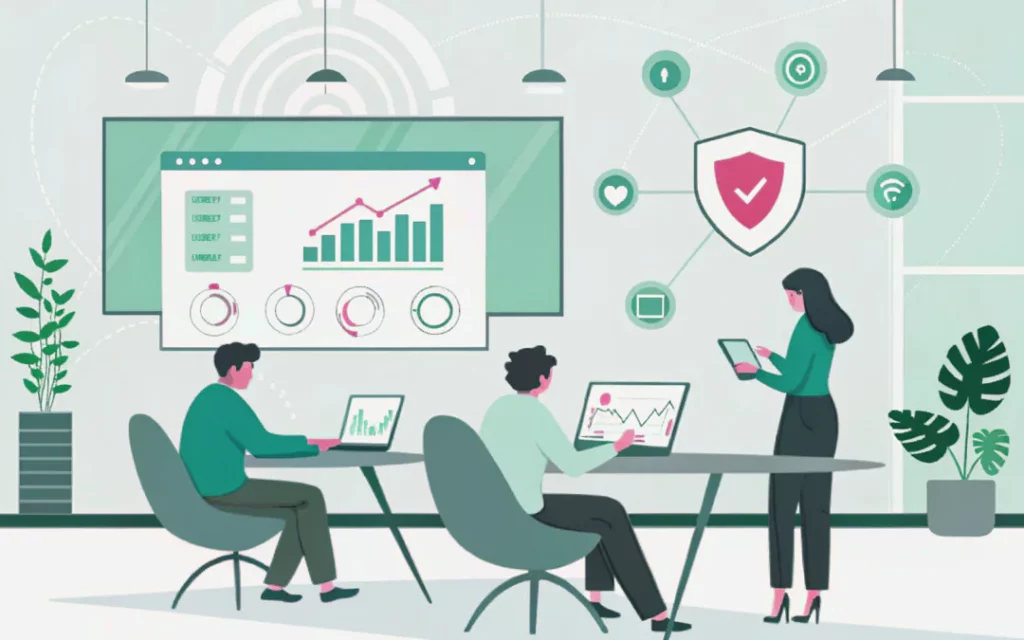
Cybersecurity is more than locking the door. If the windows are open, you’re still vulnerable. Compliance helps, but it’s resilience that truly protects.
Compliance often feels like a victory. Many organizations overemphasize it because it provides validation—ticking boxes, passing audits, and earning certifications. But treating compliance as equivalent to security creates a dangerous illusion. It’s like locking your front door while leaving the windows wide open. The vulnerabilities remain.
Early in my career, I worked with a colleague, Juan whose team poured efforts into a compliance audit. When they passed, there was a sense of relief. But months later, a phishing attack led to a ransomware breach. The attackers exploited an untrained employee who clicked a malicious link—something the compliance checklist didn’t account for. Juan admitted, “We were so focused on the audit that we forgot to ask if we were truly secure”.
This experience revealed the gap between compliance and resilience. Compliance is a starting point, not the goal. Organizations need defenses that evolve with threats. In today’s ever-changing cyber landscape, resilience is what keeps you secure.
The Gap Between Reliance besides Resilience
Compliance provides a baseline. Standards like ISO 27001 and SOC 2 or regulations like GDPR establish minimum security. However, static defenses fall short because attackers constantly adapt, exploiting vulnerabilities faster than compliance standards evolve.
Different industries face unique cybersecurity challenges that compliance alone cannot solve. For example, healthcare deals with the technical complexity of protecting patient data while ensuring fast access during emergencies, which can create vulnerabilities. In retail, the focus is on securing point-of-sale systems and managing third-party risks in supply chains, requiring robust vendor controls. These operational differences highlight the need for tailored resilience strategies across industries.
- Healthcare: Protecting patient data is critical. While HIPAA sets standards, real-world risks include ransomware attacks targeting electronic health records and delays in treatment due to breaches.
- Finance: The financial sector constantly battles sophisticated phishing and fraud schemes. Attackers exploit weaknesses in transaction systems and customer trust.
- Retail: Securing point-of-sale systems and supply chains is a significant challenge. Proactive monitoring to detect unusual activity and stricter vendor controls could have mitigated the risks and prevented such extensive damage.
The 2013 Target Corporation breach exemplifies this gap. Attackers exploited third-party vendor access, leading to millions of compromised payment cards and customer records. Despite compliance, the lack of proactive monitoring and layered defenses allowed the attack to escalate.
For instance, the growing emphasis on software supply chain security—ensuring all components in your environment are verified and trustworthy—is becoming critical. Incorporating a Software Bill of Materials (SBOM) into your resilience strategy can help identify at-risk software components before adversaries exploit them, moving beyond mere compliance with procurement policies.
I remmember another episode with a former colleague, Sara. She noticed that her team’s focus on compliance left key areas exposed. Outdated software and insufficient training created vulnerabilities. When ransomware breached their systems through a phishing email, the team’s resilience measures—training, layered defenses, and off-network backups—enabled recovery without paying a ransom. Endpoint protection tools and regular patching further helped reduce vulnerabilities.
These stories demonstrate that compliance is a starting point. Real security demands proactive measures like identifying vulnerabilities, adapting to emerging threats, and integrating resilience tools such as threat intelligence platforms and regular security reviews.
In my experience, using frameworks like the NIST Cybersecurity Framework or regularly referencing MITRE ATT&CK techniques can guide organizations in turning compliance checks into iterative improvement cycles. Instead of a once-a-year audit event, the goal should be ongoing refinement of controls informed by current threat intelligence.
Emerging Trends in Cybersecurity
The cybersecurity landscape is evolving rapidly, driven by new technologies and increasingly sophisticated threats. Staying ahead requires an understanding of the latest trends shaping how organizations defend themselves. Here are some key developments:
- AI and Machine Learning: AI is revolutionizing threat detection and response. Machine learning algorithms analyze vast amounts of data in real time, identifying anomalies that may signal an attack. Tools powered by AI can also predict emerging threats by studying patterns, helping organizations adapt proactively.
- Zero Trust Architecture: The Zero Trust model assumes that no user or device, whether inside or outside the network, should be automatically trusted. This approach enforces strict identity verification and limits access to only what is necessary, minimizing the risk of lateral movement by attackers.
- Cloud Security Challenges: As more businesses migrate to the cloud, securing these environments has become critical. Cloud-native security tools, encryption, and multi-factor authentication (MFA) are essential to protect sensitive data in these shared spaces.
- Ransomware Resilience: Ransomware continues to dominate headlines. Beyond backups, advanced endpoint protection and segmentation strategies are being adopted to contain potential damage and reduce downtime during attacks.
These trends highlight the importance of continuously evolving your cybersecurity strategy. Resilience isn’t static; it requires adopting new tools and practices to stay ahead of attackers.
Building Resilient Systems
Resilience focuses on preparation over perfection. It’s about identifying weak points, equipping teams, and ensuring systems can adapt to threats. Here’s how:
- Proactive Monitoring: Monitoring acts as an early-warning system. Anticipate threats instead of reacting to them. Tools like SIEM platforms, behavioral analytics, and real-time alerts can identify suspicious activity early. For instance, one company flagged an unusual login at 3 AM. Quick action stopped an intrusion before it escalated.
- Continuous Training: Your team is your first line of defense. Well-trained employees can recognize phishing attempts and suspicious behavior. Phishing simulators and interactive workshops improve awareness. I’ve seen employees spot and report phishing emails during simulations, turning potential risks into learning moments.
- Layered Defenses: Security requires multiple layers. Firewalls block initial threats, intrusion detection systems monitor for anomalies, endpoint tools protect devices, and encryption safeguards data. Once, a firewall failure during an attack was mitigated by redundant backup systems. Layers ensure no single failure exposes your entire network.
- Testing, Testing, Testing: Regular stress tests, penetration tests, and disaster simulations reveal vulnerabilities. A company I know discovered outdated backups during a disaster simulation. Addressing this issue saved them during a real outage months later. For smaller businesses, tabletop exercises provide a cost-effective way to test response strategies.
Staying ahead of attackers means going beyond internal checklists. Integrating threat intelligence feeds that monitor for emerging vulnerabilities, criminal forums, or zero-day exploits can help teams anticipate attacks. Coupled with well-structured incident response playbooks and regular tabletop exercises, organizations can transform compliance-based controls into an adaptable defense posture that evolves with the threat landscape.
Resilience Over Reliance
Compliance may help you pass an audit, but resilience keeps you secure during a breach. Resilience is a mindset that prioritizes flexibility and continuous improvement.
I recall a CTO, Alex, who reevaluated his company’s strategy after a close call with an attack. He shifted from a compliance-focused approach to resilience-focused planning. Within a year, his team was detecting and neutralizing threats they might have missed before. Alex told me, “Protecting systems is important, but safeguarding trust is the ultimate goal”.
From a leadership perspective, resilience is not just conceptual—it’s quantifiable. When organizations focus on continuous improvement, threat intelligence, and adaptive defenses, they see reduced mean-time-to-detect and mean-time-to-respond metrics, turning theoretical resilience into tangible, boardroom-level results that build trust and confidence with stakeholders.
As we close the year, it’s a moment to reflect on lessons learned. Cybersecurity evolves daily, and so must we. Let’s commit to stronger systems, better training, and preparation over complacency. Build secure infrastructures and environments that foster trust for your teams, clients, and partners.
Cybersecurity is like a seatbelt—you hope you won’t need it, but when you do, it saves the day. Wishing you a resilient and secure 2025!